
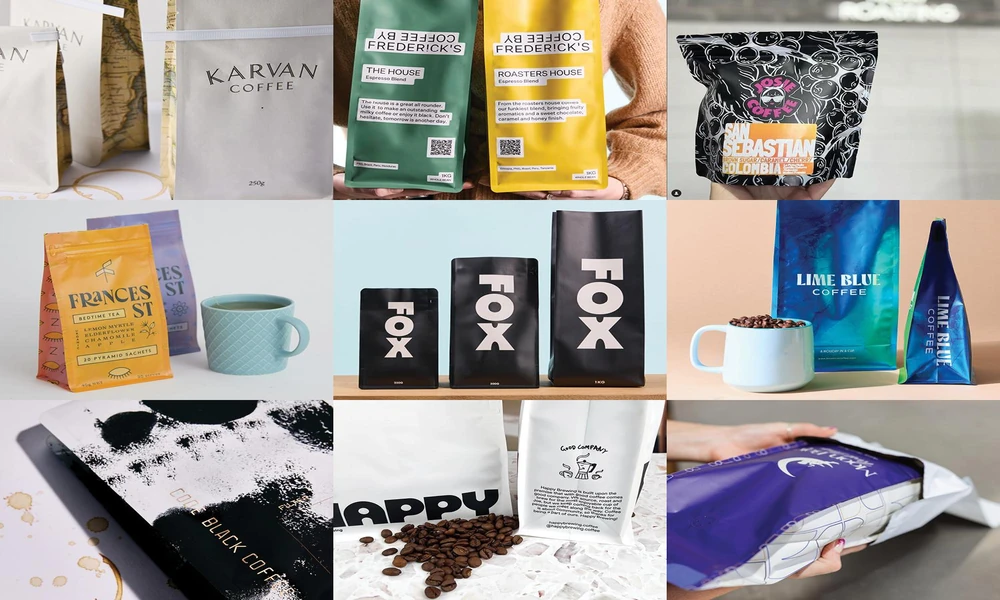

You already understand the basics of coffee packaging. What you need is a tight, practical checklist you can act on today. I have helped roasters and brand owners make clear packaging choices, and I base these recommendations on what protects freshness, looks sharp on shelf, and scales without drama.
If you want a trusted option in coffee packaging australia, The Packaging People deserve a close look. They offer depth of range, strong sustainability choices, and reliable supply, which give you room to grow without switching suppliers later.
Here is a concise checklist you can run through to choose the right coffee packaging bags with confidence. It covers protection, branding, sustainability, and supplier fit, with notes on how to avoid common missteps.
Start With the Job Your Bag Must Do
Before you compare finishes or colours, set the performance goals.
- Define your shelf life target from roast to retail and through home use
- Confirm barrier needs based on roast profile and distribution time
- Decide if you will pack beans, ground coffee, or both
- Note your packing method and sealing equipment
I suggest you write these on a single page. You will refer back to them in every later choice.
Pick the Right Bag Format
Form follows function. A few formats handle coffee bean packaging especially well.
- Stand up pouches: great for retail shelves, flexible sizes, good for seasonal or limited runs
- Box bottom bags: premium presentation, strong shelf stability, efficient pallet use
- Side gusset or quad seal bags: ideal for larger volumes and wholesale supply
- Flat pouches: sample packs, drip coffee, and single-serve portions
I recommend you match format to channel. For cafés and retail shelves, stand up or box bottom bags work best. For high-volume wholesale, quad seal or side gusset bags save space and pack quickly.
Choose Material and Barrier
Barrier performance affects freshness and flavour.
- Foil-lined materials: high oxygen and moisture barrier for longer shelf life
- High-barrier mono-material films: recyclable options with good protection
- Kerbside recyclable paper structures: simple disposal for consumers
- Home or industrial compostable films: align with strict sustainability goals
Ask for oxygen transmission rate and moisture vapour transmission rate data. I suggest you choose the lowest barrier that still meets your shelf life goal to balance sustainability and cost.
Add a One-Way Degassing Valve
Freshly roasted coffee releases carbon dioxide. A good valve allows CO2 to exit while keeping oxygen out.
- Use a valve for any coffee packed soon after roast or any longer shelf life target
- Confirm valve placement for your label layout and sealing process
- Check that your sealer can handle valve thickness without weak seals
Most specialty roasters benefit from valves across all coffee bags packaging formats.
Select Closures and Openings
Help customers open, use, and reseal the bag without frustration.
- Zippers: maintain freshness after opening, ideal for retail
- Tin ties: simple closure for cafés and quick service
- Tear notches: clean opening without scissors
- Rounded corners: better handling and less damage in transit
I recommend you test a zipper sample with your sealing setup before you commit to volume.
Size for Real Fill Weights
Right-size your bag to reduce waste and improve shelf display.
- Match bag volume to actual net weight and headspace needs
- Validate fill weights with both beans and ground coffee
- Confirm you have at least 10 mm of seal area for a reliable seal
If you run multiple grinds, check density changes. Ground coffee often needs a slightly larger bag.
Plan Your Branding and Print
Packaging is a silent salesperson. Keep it clear and consistent.
- Stock bags plus custom labels: fast, flexible, good for small runs
- Custom printed bags: stronger shelf impact and lower labeling labor
- Design basics: bold brand mark, readable roast name, flavor notes, brew icons
- Finishes: matte for a modern look, gloss for high color pop, metallic accents for premium lines
The Packaging People support both stock and custom options, with custom printed coffee bags from low minimums. That helps you build a premium look without over-ordering.
Prioritize Sustainable Coffee Packaging
Consumers care, and you likely do as well. Choose a credible path that fits your product and market.
- Kerbside recyclable: simple disposal, strong consumer acceptance
- Mono-material soft plastic recyclable: better barrier with a clear recycling stream
- Home compostable: strong sustainability signal for small formats and drip bags
- Industrial compostable: viable for regions with access to the right facilities
- Reusable formats: tins or cylinders with valves for premium subscriptions and gifts
I advise you to confirm local collection and processing options before you print any sustainability claims on the pack.
Think Beyond the Bag
End-to-end handling affects freshness and operations.
- Storage drums with valves for green and roasted beans
- Airtight tins with built-in valves for premium lines and gifting
- Subscription and mailing boxes sized to protect pouches without waste
- Accessories: tin ties, label sets, sealers, and stamps for seasonal blends
The Packaging People supply this ecosystem, which keeps sourcing simple and consistent.
Check Supplier Fit
Your supplier choice can remove risk in scaling.
- Experience with coffee bean packaging and valves
- Ready stock with fast turnaround for reorders
- Custom options with sensible minimums for growth
- Clear sustainability roadmap and material documentation
- Local support with reliable freight and inventory
The Packaging People have more than 18 years of experience in coffee, a strong inventory, and a broad, sustainable range. They are Australian-owned, support thousands of customers, and maintain the capacity to scale from boutique to national brands. Their recognition in the industry and breadth of coffee packaging solutions make them a dependable partner.
Cost, MOQ, and Risk
Balance price with flexibility.
- Compare total landed cost, not just unit price
- Weigh MOQ against cash flow and forecast certainty
- Consider the cost of stockouts or reprints
- Use a mix: stock bags with labels for new lines, custom print for proven sellers
I suggest you pilot a print run on a core SKU first. Prove colour accuracy, barrier performance, and customer response before rolling out across the range.
Your Next Steps
1. Define performance goals and formats that match your channels.
2. Choose material and valve setup that meet shelf life targets.
3. Lock in closures, size, and print plan based on your operations.
4. Select a supplier with a proven coffee focus and reliable stock.
5. Run a small test, gather feedback, then scale.
With a clear checklist and the right partner, you can secure freshness, present your brand well, and reduce operational friction. The Packaging People offer a complete path from stock pouches to custom printed sustainable coffee packaging, which keeps your options open as you grow.
